6 Modern Church Design Trends and Ideas for 2026
Market: Religious

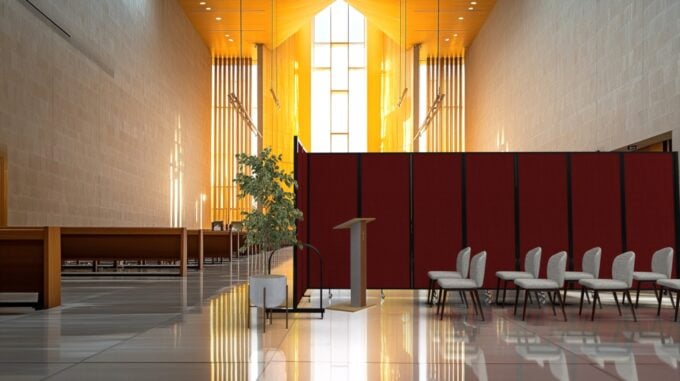
Church needs are always evolving. While the mission remains constant, the ways congregations gather, worship, and support their communities continue to transform. As we move into 2026, more religious leaders are reevaluating their buildings and asking how their facilities can better foster ministry, connection, and meaningful outreach throughout the week, and not just on Sundays.
Whether you’re updating an older facility or planning a new one, here are six modern design elements congregations truly need in the new year to create spaces that support meaningful ministry and community life.
1. Flexible Interiors for Multiple Uses
As religious facilities serve their communities all week long, flexibility has become one of the most important design priorities. Modern congregations need spaces that can shift seamlessly from worship on Sunday to ministry, education, and outreach activities on weekdays. The goal is to create environments that support meaningful engagement—no matter who is gathering or what the space is being used for.
How this interior design trend appears in practice:
- Movable partitions and room dividers: Products like Screenflex room dividers allow churches to subdivide larger rooms into classrooms, meeting spaces, event areas, or temporary offices without permanent construction.
- Modular, lightweight furnishings: Stackable chairs, mobile stages, rolling whiteboards, and foldable tables support rapid room reconfiguration.
- Multi-functional halls: Great rooms or fellowship halls designed with unobstructed floor space, integrated storage, and durable flooring allow for a wide variety of uses.
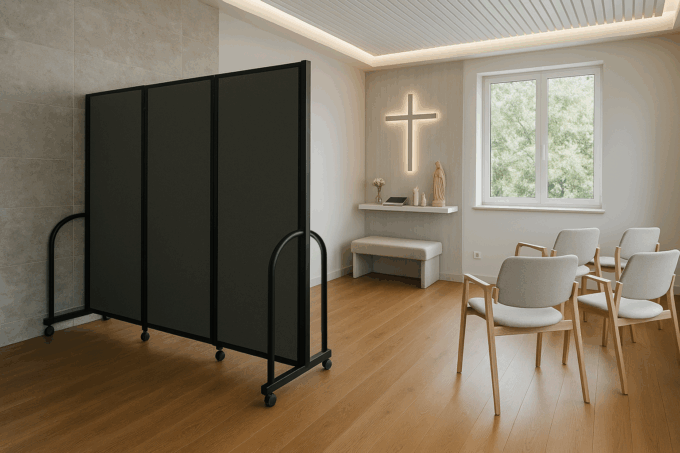
This type of adaptability enables churches to maximize every square foot of their facilities. A single room can serve as a sanctuary, a food pantry distribution site, a mid-week gathering space, or a workshop venue, all depending on the day’s needs. By embracing flexible design, churches create buildings that truly support their ministry and strengthen their connection to the community.
2. Minimalist and Contemporary Aesthetics
As congregations strive to create welcoming and peaceful environments, many are gravitating toward a minimalist, contemporary aesthetic. This approach embraces clean lines, open layouts, and purposeful simplicity, allowing worshippers to focus on connection, reflection, and community rather than visual distraction.
Key aesthetic elements include:
- Neutral color palettes
- Streamlined furnishings with clean lines
- Geometric or simple architectural details
- Open floor plans that reduce visual clutter
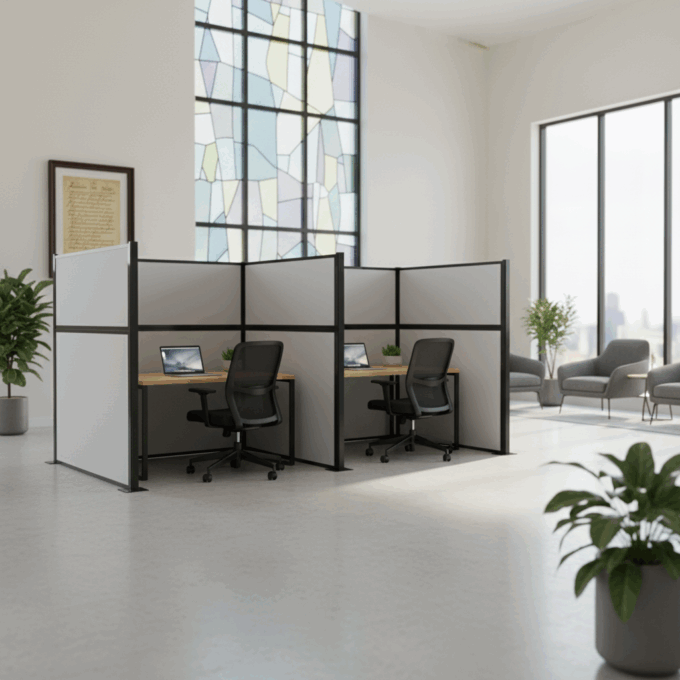
A more modern, contemporary aesthetic bridges generations, offering a serene backdrop that supports both worship and the many activities happening throughout the week. By creating spaces that feel warm, open, and accessible, churches can foster a sense of belonging for newcomers and long-time members alike.
3. Technology Integration
Technology has rapidly become central to church operations, worship experiences, and outreach, especially as hybrid and virtual attendance models remain common.
Emerging technology integrations:
- High-quality A/V systems: Including LED displays, professional-grade projectors, acoustic treatments, and streaming equipment
- Interactive digital signage: For wayfinding, announcements, and event promotion
- Smart lighting and sound: Controlled from tablets or mobile devices for easy adjustments during services or events
- Live-streaming infrastructure: Dedicated spaces for recording, editing, and broadcasting sermons or online ministry content
Technology-rich spaces also position churches to host conferences, workshops, youth events, and other programming that benefits from strong digital infrastructure. For congregations focused on outreach and connection, integrated technology is quickly becoming a core element of modern church design.
4. Sustainable and Eco-Friendly Design
Environmental stewardship continues to gain momentum across all building types, and churches are no exception. Beyond reducing their carbon footprint, sustainable features also deliver significant long-term savings on energy and maintenance costs.
Examples of sustainable features:
- Solar panels to offset electrical usage
- Energy-efficient LED lighting with smart controls
- High-efficiency HVAC systems that reduce operating expenses
- Sustainable building materials, such as reclaimed wood, bamboo, or eco-certified flooring
- Green roofs or rain gardens that manage stormwater while providing natural beauty
For many congregations, caring for creation is a core value. Eco-friendly design choices allow churches to model those values while reducing operational costs—freeing more resources for ministry and outreach.
5. Community-Focused Outdoor Spaces
Modern churches increasingly view outdoor spaces as an extension of their mission—places for connection, reflection, and welcoming the broader community. As a result, outdoor design is becoming just as intentional as interior space planning.
Popular outdoor features for 2026 include:
- Landscaped courtyards and prayer gardens
- Shaded gathering and seating areas for outdoor services or concerts
- Walking paths with devotional or nature-inspired elements
- Outdoor classrooms or meeting areas
These spaces offer natural settings for fellowship, youth activities, and community events, reinforcing the church’s role as a welcoming presence beyond its walls.
6. Focus on Inclusivity and Accessibility
Inclusivity has become a foundational design priority as churches strive to ensure that everyone can participate fully, regardless of age, background, physical ability, sensory needs, or cognitive differences.
Ideas that support accessibility:
- ADA-compliant ramps, elevators, and restrooms
- Braille and tactile signage
- Wider aisles and open seating areas
- Hearing assistance technology
- Sensory-friendly rooms for individuals needing quiet or low stimuli
- Adjustable lighting and acoustics to support diverse needs
This focus goes beyond meeting regulatory requirements; it reflects a deeper commitment to hospitality and inclusion. When a church’s physical space communicates that everyone is valued and accommodated, it strengthens its mission and fosters a culture of belonging.
Modernize Your Church Interior with Screenflex
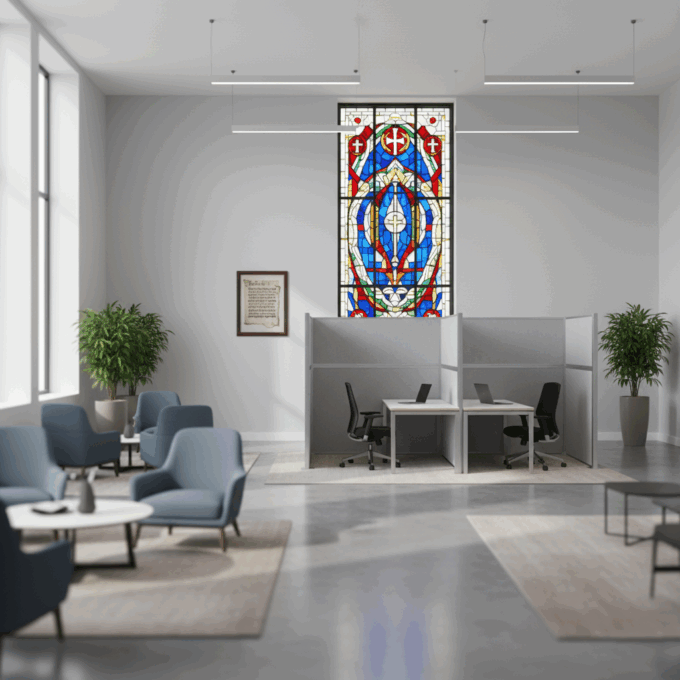
As churches continue embracing flexible and modern interior design, Screenflex room dividers offer a simple and effective way to create adaptable, multipurpose spaces. From temporary classrooms and counseling areas to flexible worship layouts and event-ready setups, our dividers help you transform your environment in seconds. Built for durability, portability, and enhanced acoustics, Screenflex supports the evolving needs of today’s congregations while keeping your spaces functional and welcoming.
For almost 40 years, we’ve partnered with churches to create spaces that honor tradition while preparing for what’s next. Explore our solutions to discover how we can help you reimagine your house of worship with ease.