
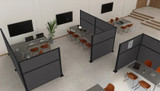
A Guide to Designing Your Ideal Cubicle Layout
Posted by Katie Corrigan on May 23rd 2024
Cubicles have been a popular choice in office spaces for decades. In fact, in the 1960s, the Herman Miller furniture company introduced the “Action Office,” a flexible combination and arrangement of desks, tables, and walls — the first cubicle. Its core purpose was to enhance worker well-being by providing greater freedom of movement and a dedicated space for focused work and pri
…

Eliminate Distractions and Enhance Safety in Vocational Classrooms with Wall Partitions
Posted by Katie Corrigan on May 20th 2024
In a world where technology and innovation continue to reshape industries, there’s an enduring demand for skilled workers in trades; from spring 2021 to 2022, mechanic and repair trade programs saw an enrollment increase of 11.5%, construction trades went up 19%, and culinary program increased nearly 13%. And vocational courses aren’t just offered at community colleges, career centers
…
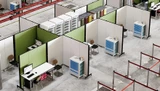
5 Color Psychology Hacks for a More Inspiring Workspace
Posted by Kate Murphy on May 14th 2024
Feeling like a sleepy sloth in your cubicle? Does your home office yearn for a splash (or two) of sunshine or wish to be a den of Zen? Get ready to ditch the design doldrums by diving into the world of color psychology in an office setting and seeing how the right hue can help increase productivity, efficiency, and mood. Here’s what you should know before you start browsing color swatches an
…
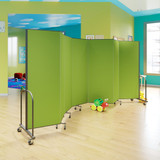
Design a Tranquil Sanctuary Through Sensory Rooms and Areas
Posted by Katie Corrigan on Apr 25th 2024
Sensory processing disorder (SPD) affects 5-16% of children in the U.S. It entails challenges in recognizing, regulating, and understanding sensory inputs, including loud sounds, intense lights, or other stimuli affecting the five senses. Sensory rooms offer significant advantages to individuals with SPD by offering a structured setting for sensory integration and regulation. Sensory rooms and e
…