
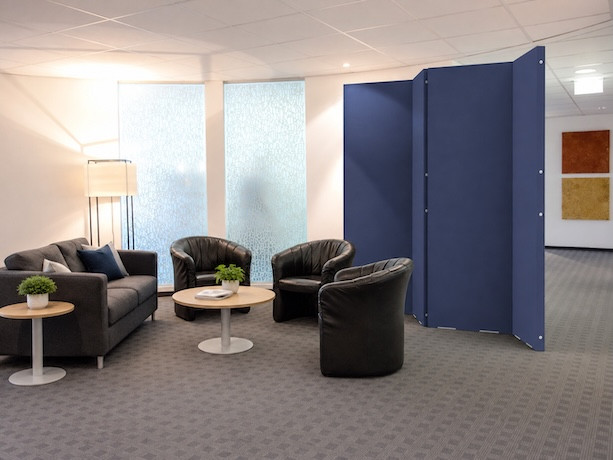
Together Under One Roof: Smart Design Layouts for Multigenerational Living
Posted by Kate Murphy on Oct 28th 2026
Sharing a home doesn’t mean sharing every moment. Even in a close-knit family, someone needs to take a work call, finish homework, or enjoy a little peace without becoming part of whatever is happening in the kitchen.
That’s the everyday balancing act of multigenerational living. Grandparents, parents, and children may share meals and responsibilities, but they also have different schedules, routines, and expectations for personal space.
A thoughtful layout can support both. By giving shared rooms more than one purpose—and making those purposes easy to change—families can enjoy time together while preserving privacy and independence. Portable room dividers offer a practical starting point.
The Need for Privacy Without Permanent Walls
Open floor plans bring people together, but they can leave little room for privacy. When several generations share a home, even a spacious room can benefit from clearer boundaries between shared and personal space.
Start by considering how everyone uses the home. Where do activities overlap? When is privacy most important? Which spaces could work better with a little separation?
Portable home partitions introduce separation where it’s missing. A workstation divider beside a desk screens household movement, while an angled arrangement gives a reading chair a more secluded setting. As you plan the layout, think about how people will move between shared and private areas. Leave clear pathways and keep windows, ventilation, and exits accessible so the added privacy fits comfortably into everyday life.
One Home, Many Configurations
The best multigenerational living layouts leave room for change. These five example arrangements offer practical starting points.
A Temporary Guest or Grandparent Sleeping Area
Turn a den or bonus room into a welcoming guest space by choosing a spot away from household foot traffic. Position a divider around the bed in an L-shaped arrangement to add visual privacy while keeping access clear. A bedside lamp, small table, and storage for personal belongings help guests settle in comfortably. When the visit ends, fold the divider away to return the room to its everyday use.
A Home Office
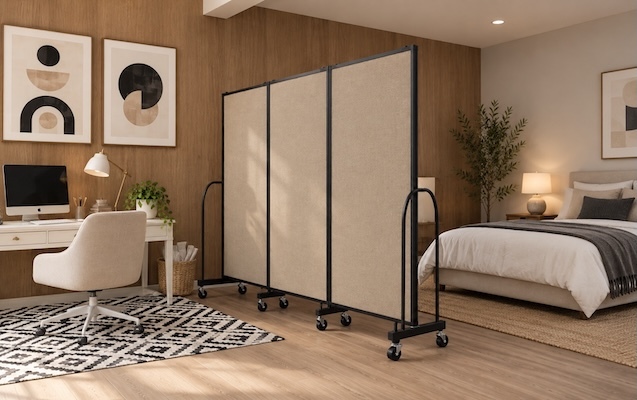
Give work a designated place by positioning a desk along a quieter wall and using a partition to screen nearby household activity. An opening facing away from the main gathering area helps limit visual distractions, making it easier to concentrate. While a divider isn’t soundproof, its sound-absorbing panels can help reduce distracting noise for a more comfortable workspace.
A Children’s Play Area
Give children a corner of their own by using a divider to set aside part of a shared room for play. Keeping toys, activity tables, and art supplies together helps contain the clutter while leaving the rest of the room available for everyone. Arrange the space so adults can easily supervise, then reconfigure it into a homework station or project area as children grow.
A Quiet Retreat
Even in a busy home, a little personal space can make a difference. Use a divider to turn a less-traveled corner into a comfortable place to read or relax. With a favorite chair and good lighting, it becomes an inviting retreat where family members can unwind without leaving the shared room.
A Caregiver or Support Area
When a family member needs help with daily routines, a divider can offer visual privacy for dressing or personal care while keeping supplies close at hand. Arrange it around the space needed for comfortable movement, allowing room for anyone assisting and any necessary equipment. This helps personal care fit more comfortably into a shared home.
Beyond Privacy: Creating Quieter Homes
A video call, television, and kitchen conversation can quickly compete within an open space. Acoustic room dividers and sound-absorbing wall-mounted panels absorb sound that would otherwise bounce off hard surfaces, helping reduce echo and lingering noise. This makes shared rooms more comfortable.
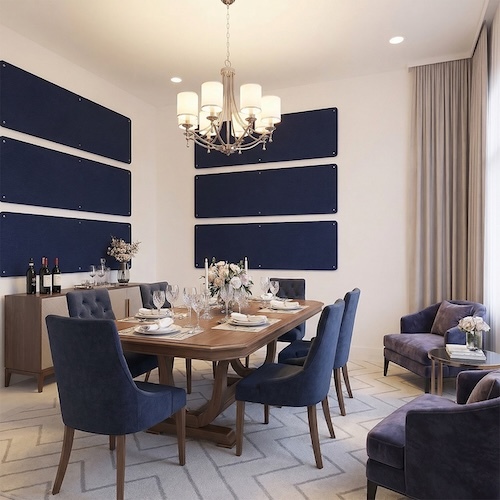
While these products won’t soundproof a room, they can help manage noise when paired with a thoughtful layout. Position areas for reading, studying, or resting farther from busy gathering spaces, and add rugs, curtains, or upholstered furniture to further soften the room’s acoustics.
Supporting Aging in Place
As older family members’ needs change, their surroundings may need to change, too. A private sitting area may eventually need to accommodate assistance with daily routines, and a familiar room may need a different layout to remain comfortable.
Flexible partitions let families make those adjustments without immediately committing to permanent walls. A divider can provide more personal space while leaving room for a caregiver or mobility aid. Positioning it thoughtfully—with support feet outside walking paths and clear routes to bathrooms and common areas—helps preserve easy movement throughout the home.
While accessibility or caregiving needs may require additional modifications, a flexible layout gives families a way to respond as those needs evolve.
Room for Change with Screenflex
Every household uses space differently. Screenflex offers a variety of room dividers and acoustic solutions to help families find the right balance of privacy, quiet, and connection.
Freestanding dividers roll where needed and fold for storage, making shared rooms easy to reconfigure. Wall-mounted dividers provide a consistent point of separation while allowing the layout to open back up. Acoustic solutions and wall panels add sound absorption without dividing the room, helping make busy gathering spaces more comfortable.
With nearly four decades of experience and space solutions assembled in the U.S. from domestic and globally sourced components, Screenflex offers durable residential room dividers designed for everyday use.
The Flexible Home of the Future
When the family changes, the house should have room to change, too. That’s what makes flexibility so valuable in multigenerational living. You can try a different arrangement, see how it works, and adjust without committing to permanent changes or construction.
Not sure what will work in your home? Connect with the Screenflex team for design guidance and a custom quote tailored to your space.