
Whiteboard Etiquette: Simple Tips for Shared Spaces
Posted by Julie Wenckowski on Sep 21st 2016
A shared whiteboard works best when everyone can read, contribute to, and save what’s on it. Use these simple habits to keep meetings, lessons, and brainstorming sessions organized.
Use the Right Markers
Use dry-erase markers intended for your board’s surface, and keep permanent markers elsewhere to prevent mix-ups. Have an eraser and appropriate cleaning supplies nearby.
Write for Your Audience
Write clearly and large enough for people at the back of the room to read. Leave space between ideas, and use short phrases instead of lengthy paragraphs. Step aside regularly so everyone can see what you’ve written.

Keep the Layout Simple
Group related ideas together, and use headings to separate topics. Different marker colors can highlight priorities or distinguish categories. Add arrows when they clarify connections, but avoid crowding the board with overlapping lines.
Make Space for Contributions
Leave an area for questions, suggestions, or ideas to revisit later. Invite others to contribute, and give them time to explain before adding to or changing their notes.
Ask Before Erasing
Check with the group before clearing someone else’s work. In shared rooms, label notes that need to stay with a name and date so the next person knows whom to ask.
Save Notes and Clean Up
Take a photo of important notes before erasing them, and share it with the group as needed. When you’re finished, clean the board according to the manufacturer’s instructions and return supplies so the space is ready for its next use.
Bring Writing Space Where You Need It
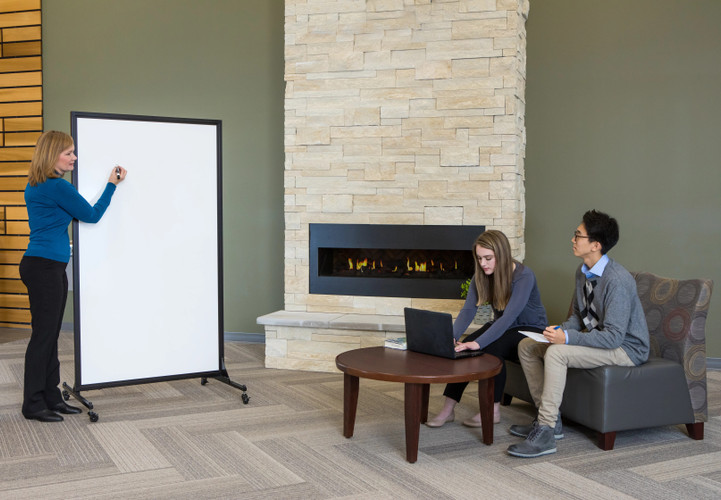
Put these whiteboard etiquette tips into practice with the Magnetic Dry Erase Tackable Divider. It combines writing space, tackable panels, and room separation to help you organize ideas and keep group discussions on track. Learn more about how it can support your next lesson, meeting, or brainstorming session.